Guides
Bedroom Budget Tiers: New, Used, or Skip
A three-tier way to split a bedroom budget - what to buy new, what secondhand rewards you, and what to skip until the room tells you it needs it.
By Mara Bennett · Published August 25, 2026 · Updated September 15, 2026
A bedroom budget is not a shopping list. It is an allocation problem: the same amount of money, spread across the right categories, produces a room that works - spread badly, it produces a room that photographs well for a week and frustrates you for years. In ten years of small-bedroom projects, the rooms that came together on modest money all had one thing in common: the owner sorted every purchase into one of three tiers before spending anything.
Why tiers beat shopping lists
A list tells you what to buy. A tier tells you how to buy it - new, used, or not at all yet - and that second decision is where the savings actually live. A solid-wood dresser bought secondhand at a third of retail performs exactly like the retail one. A mattress bought secondhand performs nothing like the new one. Same furniture, opposite answers.
The tiers also protect you from the most common small-room money mistake: spending heavily on things the room does not ask for, then having nothing left when it demands something you cannot postpone. A tier system forces the non-negotiables to the front of the queue, because they stop competing with the fun purchases on equal footing.
Tier one: buy new
Two rules put an item in the first tier. It touches your skin or breathes with you nightly, or its wear hides where you cannot inspect it.
The mattress sits at the top, always, and I extend the same logic to its foundation - a sagging base quietly shortens the life of whatever mattress you put on it. Pillows belong here too, since they are the cheapest hygiene-and-comfort upgrade in the room. Beyond the sleep surface, the tier covers anything whose condition you cannot verify at a glance: slat systems, bed frame hardware, anything structural that fails invisibly.
Small items that are simply too cheap to justify hunting used land here as well. A bedside lamp, a set of curtains - the secondhand markup in your time is worth more than the savings. None of this needs to be premium. It needs to be new, clean, and bought once.
Tier two: buy secondhand
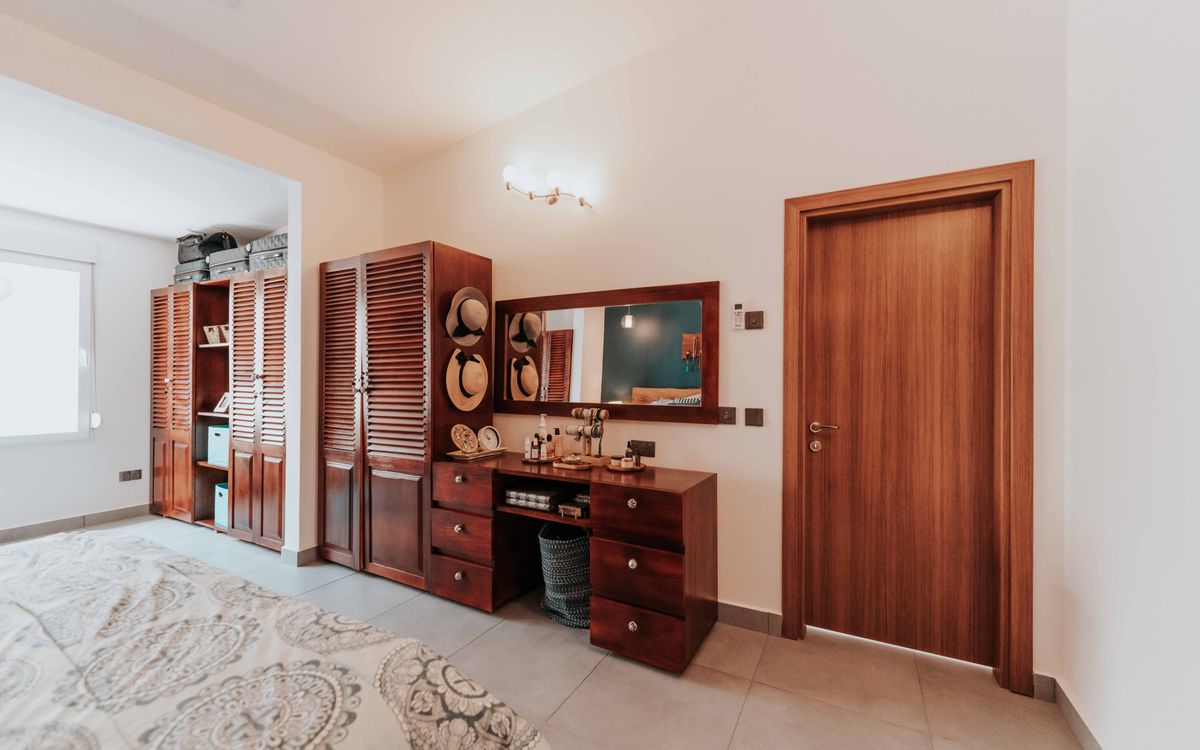
This is the tier that funds the first one. Bedroom case goods are built to outlive their owners’ taste, so the used market is full of pieces with decades left in them: solid-wood dressers, nightstands, wooden bed frames, standing mirrors, small chairs. A 50 cm (20 in) deep dresser that sold new at four figures often moves for a tenth of that because the finish has gone out of fashion. Finishes can be refinished; cheap particleboard cannot be rescued.
The category works because wear here is inspectable. You can open every drawer, sit on the chair, run a hand along the frame rail and see whether the joints wobble. That is the dividing line between the tiers: if the condition can be checked with your own eyes and hands in ten minutes, secondhand is on the table.
One habit makes this tier pay: measure before you hunt. I keep the bedroom measure sheet open on my phone whenever I am browsing listings, because a dresser that is 5 cm (2 in) too deep for the wall is not a bargain, it is a return trip.
Tier three: skip until the room asks
Everything decorative waits here: art, rugs, extra cushions, the second nightstand, the reading chair you have not found yet. This is not asceticism. It is sequencing. You cannot know what a room actually needs until you have slept in it through a summer and a winter - where the light lands at 7 a.m., which corner collects clutter, whether the doorway feels tight with the door open.
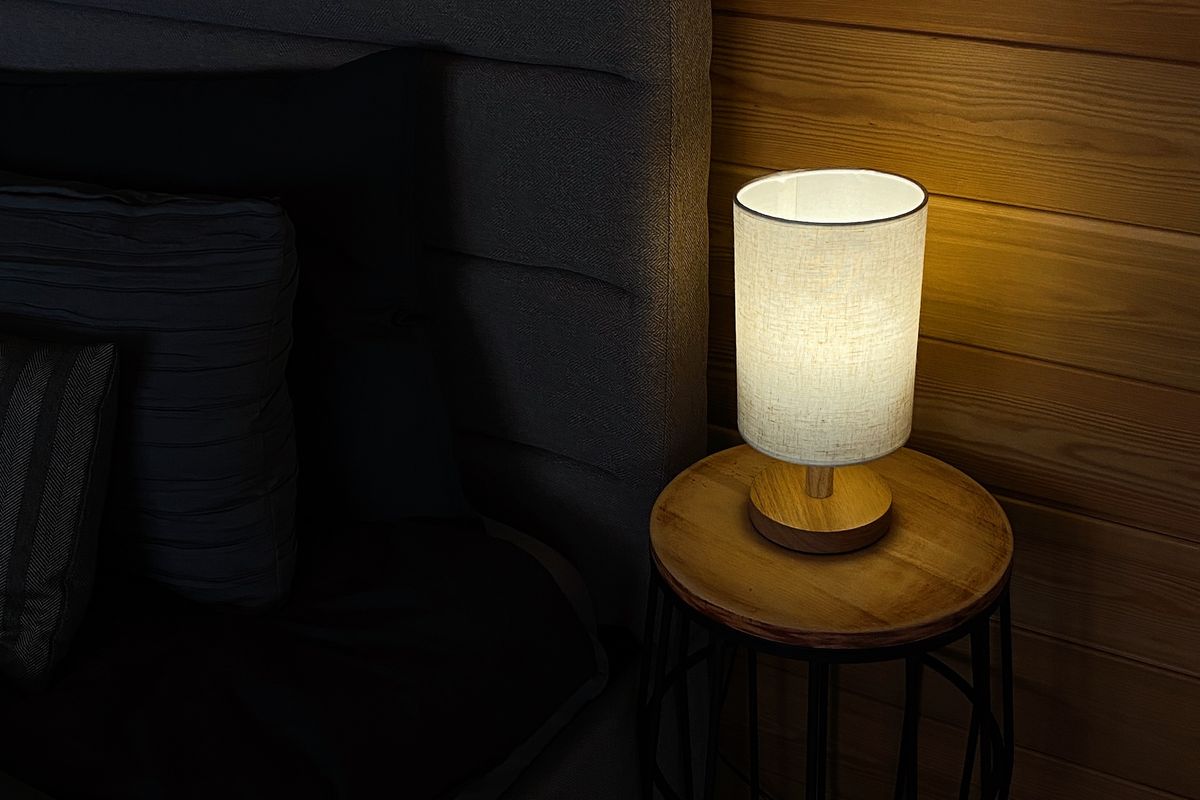
The tier has one permitted early purchase: light. A lamp or two bought in the first weeks will do more for how the room feels than any amount of decor bought later, and it costs a fraction. Beyond that, I hold the line. Rooms fill themselves if you let them; the requests arrive on their own schedule.
How I split the money
For a first-year budget, my working split runs roughly like this. Half goes to the sleep surface and its foundation - the one category where quality is felt nightly and regret is slow to fix. About a quarter goes to case goods, which in most projects means a dresser and a bed frame, and which the secondhand market can often stretch across two pieces. The remainder covers light, textiles, and assembly hardware.
The exact percentages move with the person. Someone who owns six winter coats needs wardrobe spending that someone with a capsule wardrobe does not. What stays fixed is the order: sleep surface, storage, light, decoration. Rooms assembled in that order work; rooms assembled in any other order usually get rebuilt within a year.
The secondhand inspection checklist
Ten minutes with the piece, in person, before money changes hands:
- Drawers and doors. Open every one fully. Sticky rails can be waxed; cracked rails mean the piece is a parts donor.
- The smell test. Mustiness means years in a damp basement, and it lives in the wood. Smoke behaves the same way.
- Structure. Press corners, lift one end, check for racking. A wobble in a solid-wood frame is a repair; a wobble in a veneered frame is the end.
- Hardware. Missing knobs and glides are negotiable; missing runners for an entire drawer bank are not.
- The spot. Measure the destination wall and the stairwell path first. The measure sheet exists for exactly this step.
If a piece passes all five and the price sits under about 70 percent of new, it goes home with me. If it fails any of them, no discount rescues it.
A worked example on a modest budget
Take a first-year budget of $1,500. Tier one takes about $800 - a new mattress and pillows. Tier two takes about $450 and buys a used solid-wood dresser and a used wooden bed frame, both inspected with the checklist. Tier three gets the remaining $250, which covers two lamps, a set of curtains, and bedding.
The room that budget produces is complete in the ways that matter daily and unfinished in the ways that only matter to photographs. Six months later, the owner knows exactly which corner wants the reading chair, because they have lived with the emptiness long enough to miss it. That is the quiet advantage of the skip tier: it leaves room for the room to speak.
If you are starting from nothing, the full room timeline shows where these tiers land across the weeks of a first setup, and the weekend refresh checklist handles the decorative pass once the tiers have settled. Budget in tiers, buy in that order, and the money stops being the constraint.
Frequently asked questions
- What should I never buy secondhand for a bedroom?
- A mattress is the one bedroom item I never buy used. You cannot inspect what is inside, hygiene is uncertain, and most of its support life is spent before it reaches you. Upholstered headboards are a close second unless the cover removes and washes.
- How much of a bedroom budget should go to the mattress?
- I plan for roughly half of a first-year bedroom budget to land on the sleep surface and its foundation. Nearly everything else in the room can be phased, found secondhand, or postponed, but a poor mattress taxes every single night.
- Is secondhand furniture really cheaper once you count the work?
- Usually, yes - but count the real costs: transport, a few hours of cleaning, and occasionally replacement hardware. If those bring the total past about 70 percent of the new price, I buy new and keep the weekend.