Color & Texture
Accent Walls for Bedrooms: Ideas With Restraint
How to build an accent wall that anchors the bed without taking over the room - which wall earns it, which materials hold up, and the mistakes to avoid.
By Mara Bennett · Published June 22, 2026 · Updated June 22, 2026
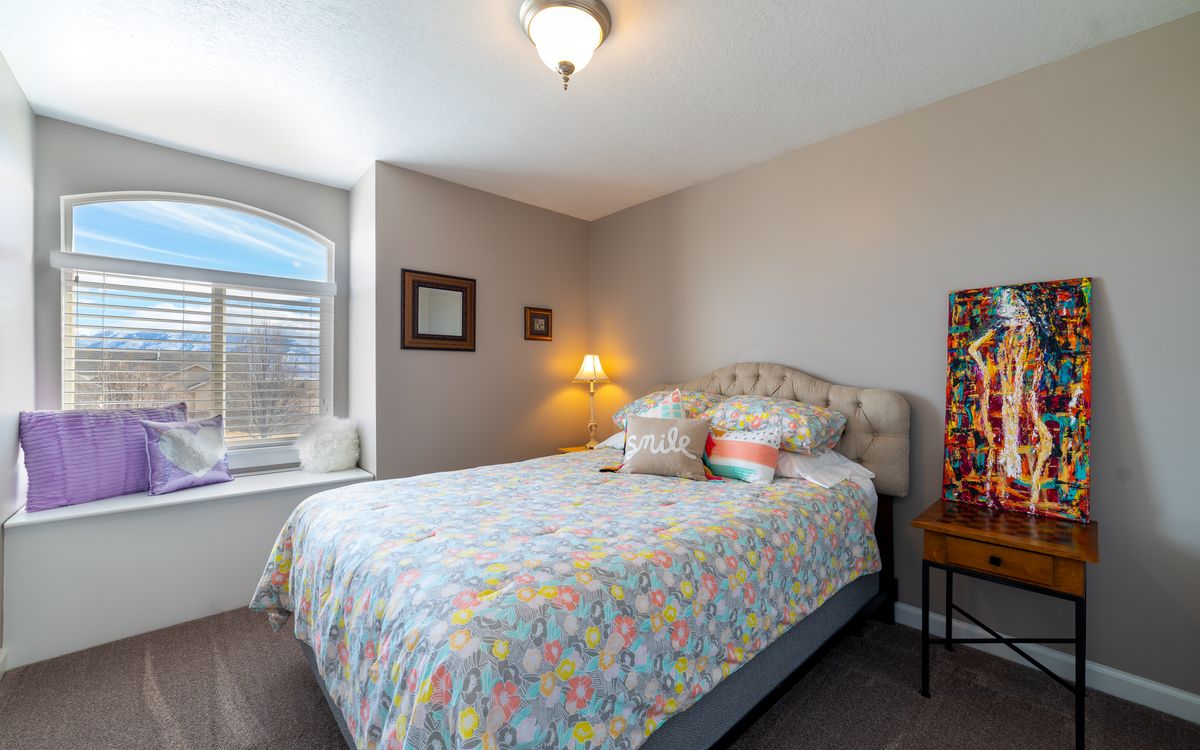
An accent wall is the cheapest structural change a bedroom can get, and the easiest one to ruin. Done well, one treated wall anchors the bed, adds depth, and lets the rest of the room stay quiet. Done carelessly, it turns the room into a stage set you get tired of within a season. After enough projects on both sides of that line, I have landed on a fairly strict method: one wall, chosen by function, treated with materials that age.
What an accent wall is actually for
An accent wall is not decoration; it is a focal-point tool. Bedrooms need exactly one visual anchor, and the anchor should be the bed, because that is where the room is used. A treated wall behind the headboard frames the bed the way a mat frames a print - it tells the eye where to rest.
The reason restraint matters more here than in a living room is that you see this room lying down. At night, lying in bed, the accent wall fills your entire field of view. A color that feels energetic standing up can feel loud at midnight. So every idea below is filtered through one question: would this be pleasant to look at from a pillow, in lamplight, every night?
The wall that earns it - and the walls that do not
The wall behind the headboard earns the treatment in almost every room I have worked on. The bed already anchors there; the accent simply confirms it. There is also a practical bonus: the largest pieces of furniture sit against that wall, so the paint behind them has less exposure to scuffs and daily wear than a walkway wall would.
The walls that do not earn it: the window wall, because breaking up a light source with a dark surface reads wrong in every daylight hour; the wall facing the door, which becomes the first thing you see entering and the hardest thing to look away from; and any wall with a door, radiator, or heavy built-in that chops the surface into fragments - an accent needs an uninterrupted plane to work. In rooms where the bed sits in front of the window, I skip the accent wall entirely or move it to the nearest clean long wall and accept a quieter result.
Paint ideas that stay quiet enough to live with
The safest strong move is a tone, not a shout: take the room’s wall color two to four steps deeper on the same strip. A pale green bedroom with a deep moss headboard wall, or a warm white bedroom with a clay-dark one - the accent reads clearly without introducing a new hue to fight. Deep blues, greens, and charcoal all work this way, and they have a specific benefit behind a bed: a darker wall visually recedes, so the room often feels deeper rather than smaller, even when the paint is dramatic.
If the room wants warmth rather than depth, a tonal treatment - the accent wall one hue warmer than the rest - is nearly invisible in photos and very present in person. I also like a matte finish for accent walls in bedrooms; glossier paints catch bedside lamplight and turn a calm wall into a glare problem. Finish choices matter enough here that the guide to choosing a bedroom paint finish is worth reading before buying the gallon.
Beyond paint: paneling, wallpaper, and wood
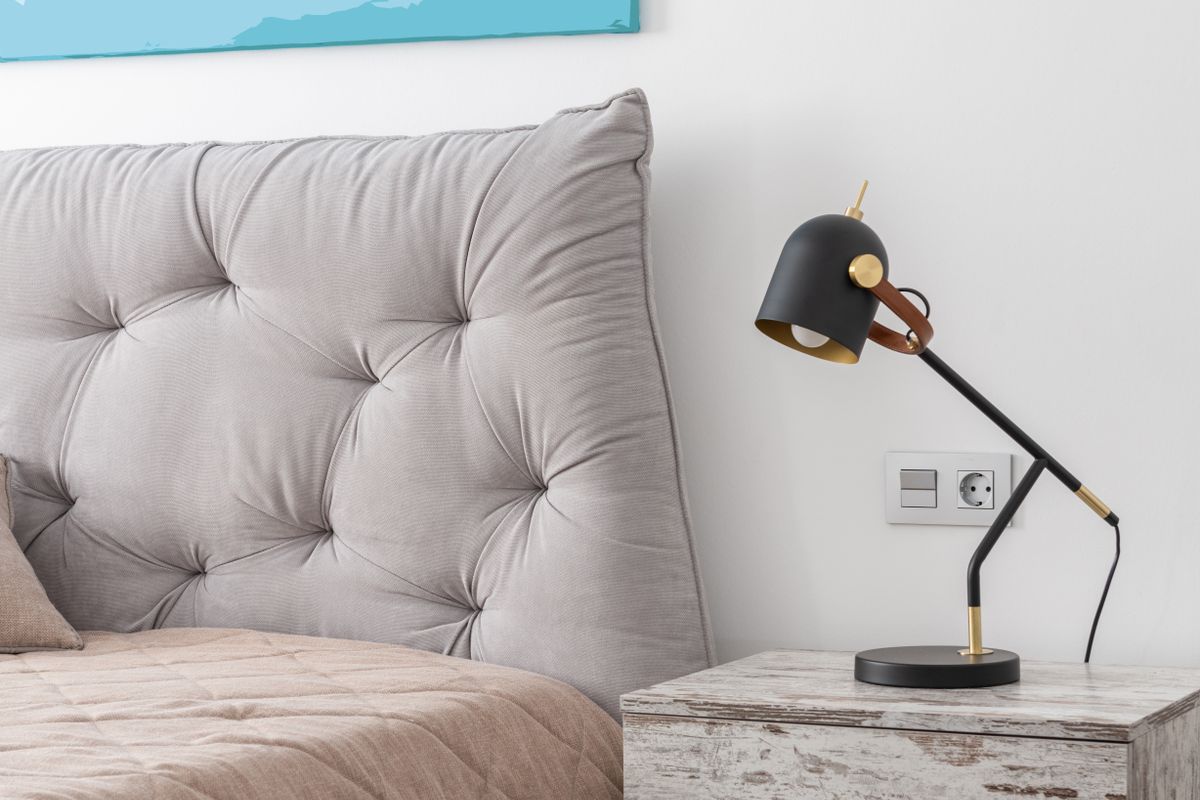
When paint alone feels thin, three materials have held up best for me across projects.
Paneling first. Board-and-batten, shiplap, or a simple picture rail at half height adds relief that lamplight turns into gentle shadow - a wall with texture reads as designed even in a single color, because the paint is doing two jobs at once. Paneling painted the same tone as the room is the most restrained version; painted a step deeper, it becomes the anchor.
Wallpaper second, with one rule: tone-on-tone patterns only. A grasscloth with visible weave, a fine stripe two shades apart, a small-scale botanical in matching colors - these give the wall depth at conversation distance and go quiet across the room. Large-contrast prints do the opposite at night; lying in bed, a bold repeat pattern stares back.
Wood third. Slatted or plain timber panels behind a headboard add warmth that paint cannot, and they pair especially well with cooler wall colors elsewhere in the room - the wall supplies the temperature the room lacks. The trade-offs are cost and permanence: wood is the most expensive of the three and the hardest to reverse, which matters in rentals. Renters should treat everything in this section as landlord negotiation material and lean on the framed-art route instead - one large piece centered above the headboard does a surprising share of the anchoring work.
What makes accent walls fail
Most failures come from doing too much, in one of four ways. Accenting more than one wall - the moment two walls are treated, neither is an accent and the room loses its anchor. Accenting the wrong wall - usually a window or door wall, chosen for symmetry rather than function. Competing focal points - a loud headboard wall plus a statement light plus busy bedding means nothing leads; if the wall is the anchor, the headboard should be quieter, and the bedding quieter still. And finally, brightness: the most common regret I hear is not that the color was wrong but that it was loud at night. Test any candidate color on a large board, live with it beside the bed for a week, and look at it last thing at night before committing.
Pairing the wall with the rest of the room
Once one wall carries the accent, the rest of the room should recede deliberately. Bedding in quieter, lighter tones; art on the other walls small or absent; the rug and curtains supporting rather than competing. I also light the wall on purpose - a pair of bedside sconces or lamps raking across a paneled or papered wall at night is what makes the treatment feel finished rather than painted-on. For palettes that already balance an anchor wall against calm surroundings, the mood-sorted bedroom palettes I put together map the combinations out by room personality.
A one-afternoon order of work
If you are doing the paint version yourself, the sequence that works: patch and sand the wall, cut in the edges with the room’s existing color as the guide line, roll in a W pattern, and let the second coat cure fully before the bed goes back against the wall - a fresh-scrape mark on an accent wall is very visible. Paneling and slat walls need a full day more, mostly for leveling, which is the step that decides whether the result reads as designed or as an accident. Whatever the material, the test is the same one I started with: stand in the doorway, look at the wall, then go lie on the mattress and look again. If it is calm from the pillow, it will keep working for years.
Frequently asked questions
- Which wall should be the accent wall in a bedroom?
- The wall the bed's headboard sits on. The bed is the largest object in the room and the eye already lands there, so the accent reads as an anchor instead of a distraction. Window walls and the wall facing the door almost never earn it.
- Do accent walls make a small bedroom look smaller?
- A dark wall behind the bed pushes that wall visually away, which most people find deepens the room rather than shrinking it. What actually shrinks a room is accenting multiple walls, or accenting a wall the eye must travel past - like the one facing the door.
- What are good accent wall options besides bold paint?
- Wall paneling such as board-and-batten or a half-height rail, subtle wallpaper with tone-on-tone pattern, wood slats, or simply a tone two steps deeper than the other walls. The quietest options age best in a bedroom.