Style Ideas
Traditional vs Transitional Bedrooms
How to tell traditional and transitional bedrooms apart in seconds, which one fits your room's architecture, and where the boundary sits when you mix them.
By Mara Bennett · Published April 6, 2026 · Updated April 6, 2026
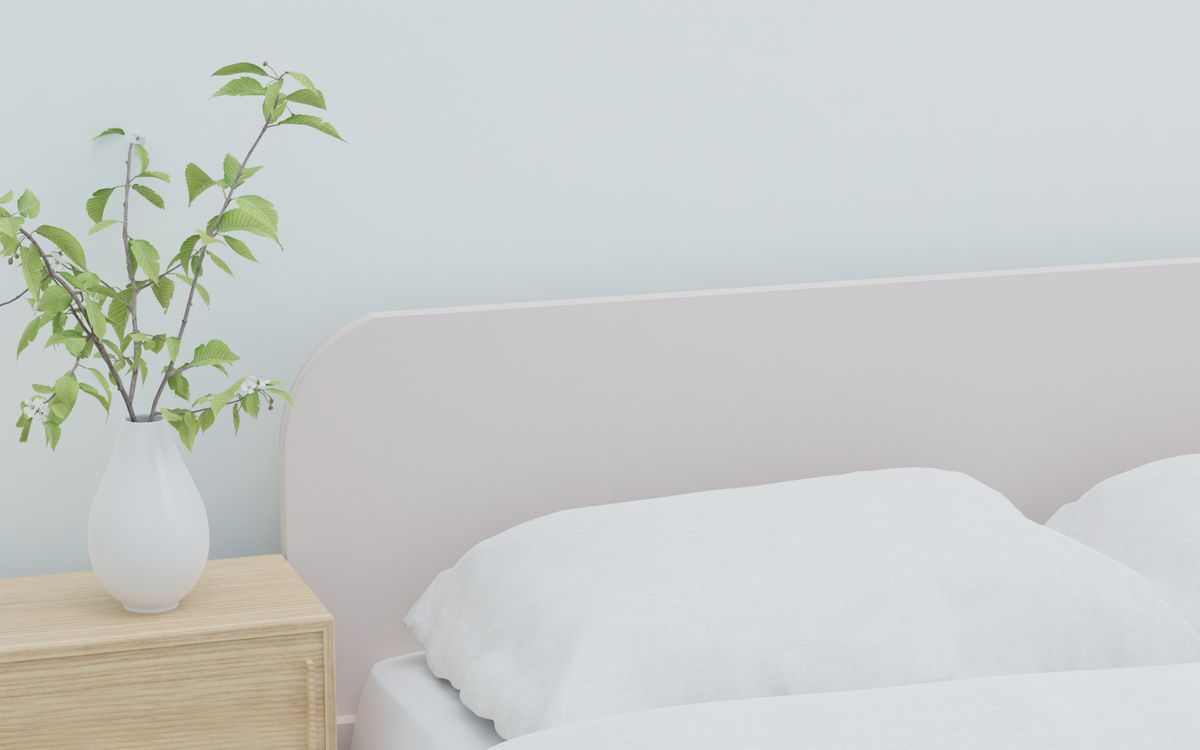
Most bedrooms people call “traditional” or “transitional” are actually neither - they are rooms with one or two pieces from each tradition, which is why they photograph as fine-but-forgettable. The two styles are genuinely different systems, and the difference is legible in about five seconds once you know which details to check. This guide gives you the tells, the logic behind each style, and the boundary line to respect when you want both in one room.
The one-line difference
Traditional bedrooms are built on period detail: furniture with shaped and turned parts, symmetry as an organizing principle, layered rich fabrics, and visible craft in wood and trim. Transitional bedrooms strip the period detail out but keep the comfort and warmth - clean lines with soft edges, quiet neutral palettes, and furniture that suggests tradition without quoting it.
Another way to hold the distinction: traditional quotes history explicitly; transitional paraphrases it. Once you hear the distinction stated that way, the rest of this guide is just confirmation.
Traditional: what it looks like in a bedroom
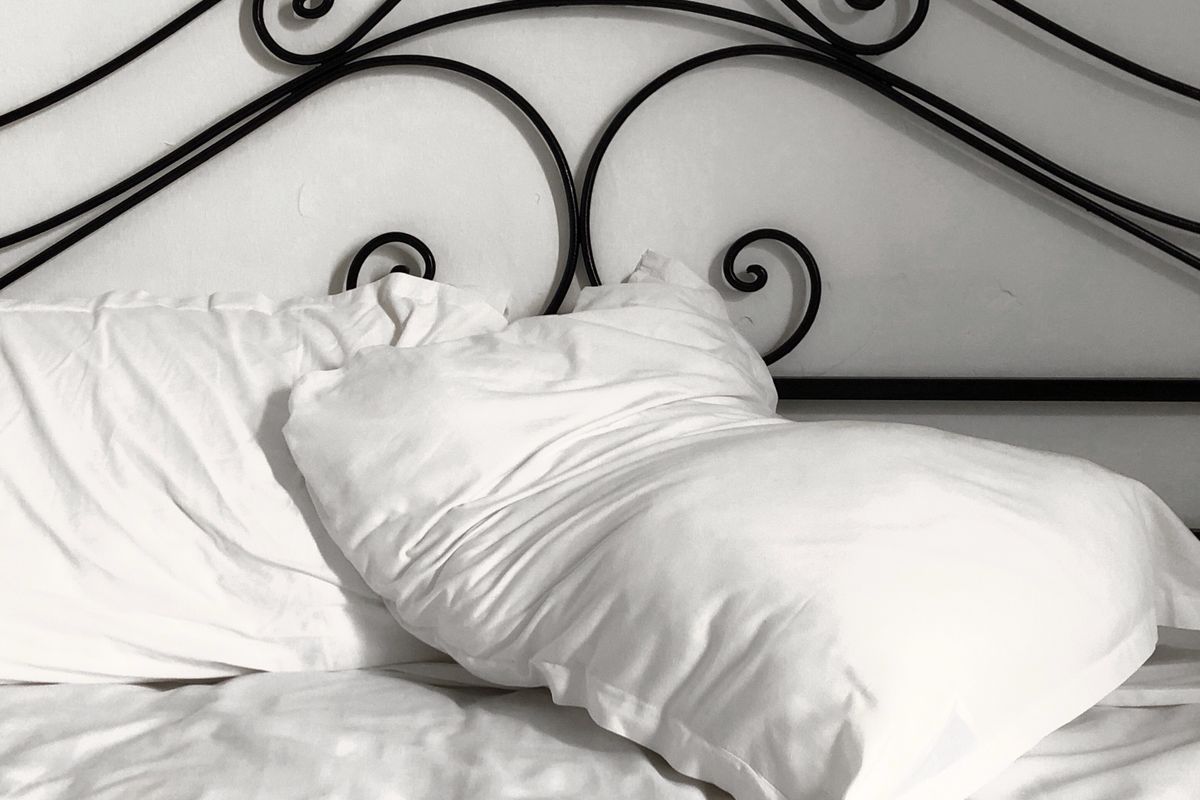
A traditional bedroom shows its identity in five places. The bed often carries a shaped headboard - carved, turned, or caned - or a tall upholstered one with a rolled or camelback top. Furniture sits on turned or cabriole legs rather than straight ones, with visible drawers framed by molding. Symmetry rules the bed wall: matching nightstands, matching lamps, the bed centered. Textiles lean layered and rich - quilted coverlets, patterned curtains, tailored pillow shams. And the shell of the room participates: crown molding, wainscoting, and panel doors belong to the style, though a room without them can still read traditional through furniture alone.
Fabric and wood tones run warm and deep. Mahogany, cherry, and walnut pair with creams, deep reds, forest greens, and golds. The overall effect is formal, but a good traditional room never feels like a museum - the comfort layer is real, and the symmetry is what makes the room feel composed rather than crowded.

Transitional: the quiet middle
A transitional bedroom keeps the same skeleton - bed centered, matching nightstands, upholstered comfort - but simplifies every component. Headboards become clean rectangles with straight or gently curved tops. Furniture legs disappear or turn into low, squared bases. Drawer fronts go flat, hardware shrinks or vanishes. The palette narrows to warm neutrals: greige, taupe, soft white, with texture doing the work that pattern and carving do in traditional rooms.
The style is frequently misdescribed as “modern with soft bits,” which undersells its structure. Transitional is not modern - it keeps symmetry, upholstered comfort, and a sense of tradition in its proportions. It is tradition with the ornament removed, and that subtraction is precisely why it photographs so well in real estate listings: nothing argues, everything agrees.
The five-second tells
When you cannot name which style a room is, check these five details in order - the first three settle almost every case:
| Detail | Traditional | Transitional |
|---|---|---|
| Leg profile | Turned, cabriole, or carved | Straight, squared, or absent |
| Headboard top | Shaped - rolled, camelback, carved | Rectangular or gentle curve |
| Trim and molding | Crown, panel, wainscoting visible | Minimal or none |
| Textiles | Patterned, layered, tailored | Solid, textured, unpatterned |
| Symmetry | Strict - matched pairs everywhere | Preferred but relaxed |
The table works on furniture too, not just rooms. A single piece - a dresser, a bench - answers to the same checks, which is exactly what makes mixing the two styles manageable.
Which one fits the room
Architecture should get a vote. A bedroom with original moldings, high ceilings, and paneled doors fights a strictly modern or starkly transitional scheme - the shell keeps asserting tradition no matter what the furniture says. Traditional or traditional-leaning transitional lets the room and its contents agree.
Newer builds, apartments, and rooms with clean drywall and low ceilings have the opposite bias: heavy traditional furniture in them reads as imported from somewhere else, and transitional settles the room more naturally. Neither pairing is a rule, but when a room feels “off” and nothing in it is wrong, the mismatch between shell and furniture is the most common cause I find on site visits.
Where the mixing boundary sits
The two styles mix well, with one discipline: let one lead and the other accent. The proportion I work with is roughly 70-30. A transitional room can carry one traditional statement - a carved walnut dresser, an antique mirror, a shaped bench at the foot of the bed - and the piece reads as an heirloom rather than a mistake. A traditional room can take transitional comfort: plain modern bedding, a simple rug, unpatterned curtains.
The boundary you should not cross is mixing within a category. Two dressing pieces disagreeing - a carved dresser beside a flat-front wardrobe - reads as an accident, not a decision. Mixing lives in the large statement piece, while supporting furniture stays loyal to the leading style.
A bedroom that proves the blend
A recent project of the type I do most often: a 1980s apartment bedroom with plain walls and no moldings, furnished for someone who owned a single heirloom - a walnut dresser with turned details. We built the room transitional around it: clean upholstered headboard, straight-lined nightstands, warm greige walls, textured but unpatterned bedding. The dresser took the wall opposite the bed and was the only curved, carved object in the room.
The result reads deliberate precisely because the dresser is alone in its category. Had we added a second traditional piece, the room would have begun arguing with itself; as it stands, guests ask whether the room was designed around the dresser, which - once the shell and bedding were chosen - it effectively was.
Which pieces decide the style
When a room’s style is unresolved, three purchases usually decide it. First, the bed - its headboard shape sets the room’s largest visual note, so choose it in the leading style; my headboard styles guide breaks the main shapes down. Second, the largest storage piece, because a dresser’s leg profile and drawer framing are the fastest style read in the room. Third, the lighting - a candle-style or shaded table lamp reads traditional, a simple stem or paper shade reads transitional.
Everything else - bedding, rugs, curtains, art - is negotiable and shared. Both styles want natural fabrics and warm neutrals at the base, which is why the two styles are so easy to drift between. If you are sorting the palette underneath either choice, the mood-sorted color palettes piece gives you the warm and cool splits, and the texture mixing rules cover how both styles layer fabric without bulk.
Frequently asked questions
- Can you mix traditional and transitional pieces in one bedroom?
- Yes, if one style clearly leads. A workable split is roughly 70 percent leading style and 30 percent accent: a transitional room can carry one traditional statement piece such as a carved dresser, but not a room full of turned legs alongside modern boxes.
- Which style is more expensive to achieve?
- Traditional usually costs more, because its look depends on detailed furniture - turned legs, carved panels, crown molding - that is labor-intensive to make. Transitional rooms work with simpler pieces, which makes them cheaper to buy new and easier to gather secondhand.
- What exactly is a transitional bedroom?
- Transitional is the style between traditional and modern: clean, simple furniture lines taken from modern design, softened with traditional comfort - upholstered headboards, curved silhouettes, warm neutral palettes, and fewer hard edges than a strictly modern room.