Lighting & Ambience
Scent and Ambience: The Other Half of a Calm Bedroom
Light is only half of a restful bedroom - here is how scent, sound, temperature, and texture fill in the rest, with a short evening sequence to try.
By Mara Bennett · Published July 8, 2026 · Updated July 8, 2026
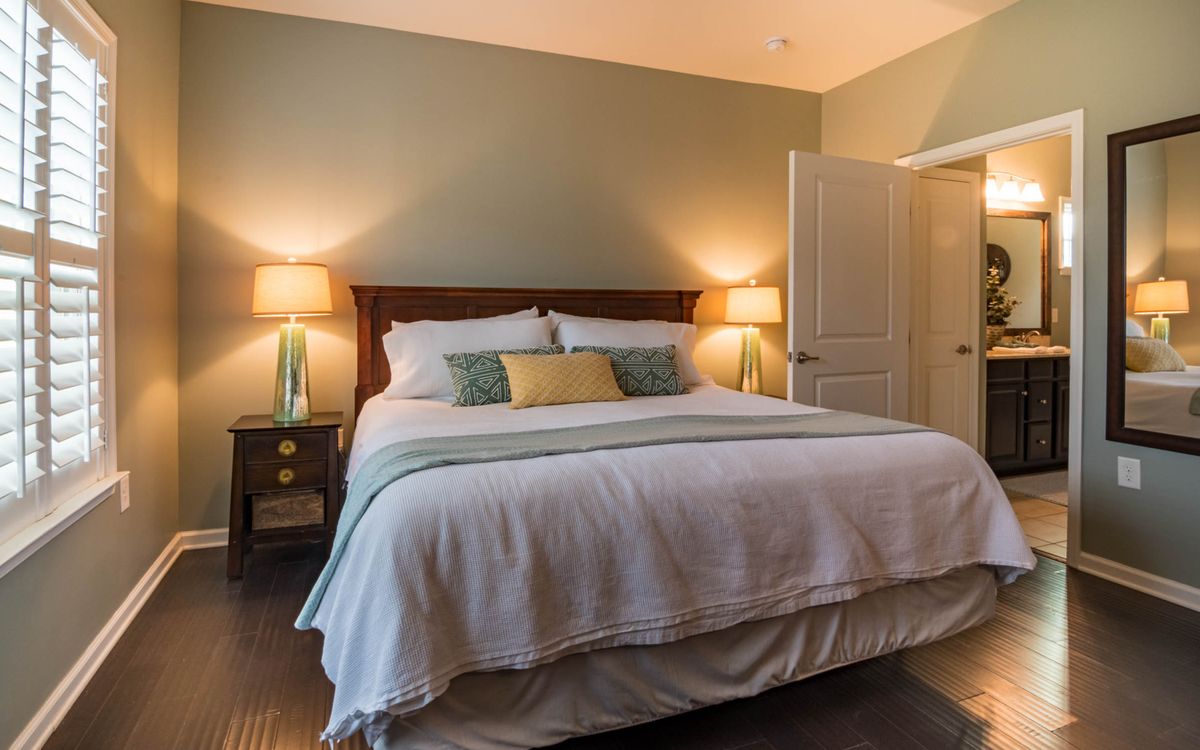
Lighting gets most of the attention in bedroom design, and it deserves it - but a room that is perfectly lit and still feels flat is missing the other half. Scent, sound, temperature, and texture do the quieter work. They are the layers you stop noticing after a week, which is exactly the point: the room should calm you without requiring anything from you. This guide walks those layers in the order I set them up on projects, ending with a short evening sequence that ties them together.
Light sets the baseline
Everything in this guide assumes the lighting is right first, because ambience built on top of a bright cool ceiling light reads as a contradiction - lavender in a dentist’s office. The baseline is warm, low, and layered: ambient light dimmed to half, a reading lamp doing its own job, corners kept alive with something small and amber. If the lighting side of your room is still a single ceiling fixture, fix that layer first; the lighting layers guide is the order I build it in, and the kelvin guide explains why 2700K is the non-negotiable starting point.
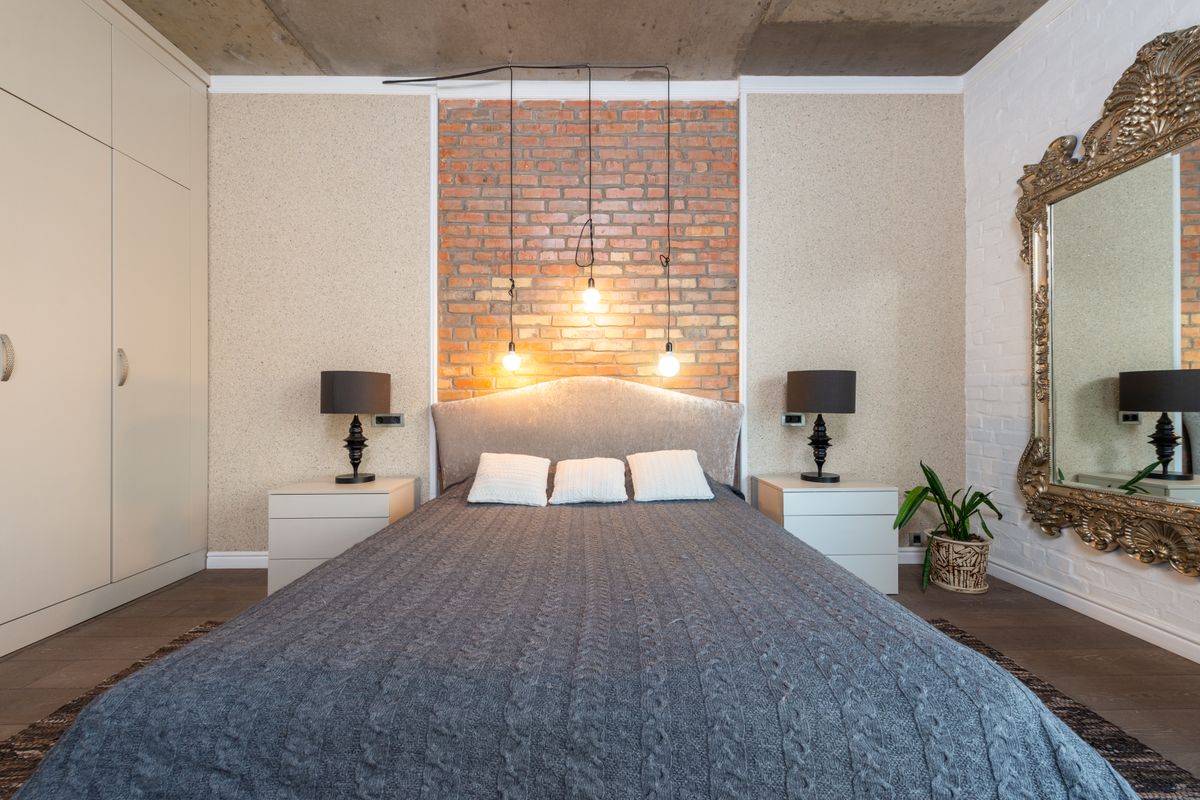
Scent: pick one quiet signature
The most common scent mistake in a bedroom is variety: a candle on Tuesday, a diffuser on Thursday, linen spray on Sunday. The nose adapts to a scent it knows, which is a feature - a familiar smell becomes a cue that says evening has started - and constantly rotating scents throws that cue away. One signature, used consistently, does more than a shelf of options.
Three characteristics make a scent bedroom-appropriate. Low sweetness, because sweet notes tire quickly in a small room. Low intensity, because the goal is a cue rather than an announcement - you should notice it when you look for it, not when you walk in. And a calm association, which is personal: lavender is the classic wind-down note, cedar and other woods read warm and grounding, clean linen reads fresh without being sharp. Test any candidate in the evening, with lamps on, for a week, before committing to it.
On delivery method: candles warm a room’s mood as much as its air, and I use them early in the evening while the room is still in use - never left burning at lights-out. Reed diffusers run continuously and stay consistent, which suits people who want the cue without the ritual. Linen sprays work directly on the fabric your face is closest to and are the gentlest option for shared rooms where one person is scent-sensitive.
Sound: steady beats silence
Silence sounds like the goal until you have slept in a genuinely silent room with a street outside. What the bedroom wants is not silence but steadiness - a consistent, low background that masks the unpredictable sounds, car doors and pipes and upstairs footsteps, that the ear treats as events. A fan, white noise, or steady rain audio all do this job; the specific sound matters less than its consistency, night after night, so the room keeps its acoustic signature.
Soft materials are the passive half of the same work. A room with a rug, layered bedding, and curtains absorbs sound instead of bouncing it, which is why hard-floored bedrooms with bare walls echo and feel restless even when quiet. If your room echoes audibly when you speak, the fastest fix is a rug beside the bed and fabric at the window - both of which you likely wanted anyway.
Temperature: cool room, warm bed
The comfortable pattern is a room kept slightly cool and a bed that is warm to climb into. The cool room is mostly a bedding decision: a duvet with enough weight to feel held, a sheet layer you can shed, and a pillow that stays cool on one side when you flip it. The warm bed is a small ritual - a hot water bottle in winter, pre-warming the sheets in cold months - that takes a minute and pays off the moment you get in.
What to avoid is the middle state that most rooms default to: a stuffy room and a heavy duvet, which means kicking a foot out at two in the morning. Air the room briefly before bed if the windows have been closed all day; a stuffy room reads as warm even when the thermostat is reasonable.
Texture finishes the picture
Texture is the layer you touch rather than see, and in a bedroom it does its work through contrast. A nubby wool throw against smooth sateen, a woven basket beside a lacquered nightstand, a flat-woven rug underfoot against polished floor - each contrast registers as considered. The ratio I use is the three-material rule, but the bedroom-specific version is simple: the bed should be the softest thing in the room, and everything around it slightly firmer, so climbing in feels like a change of surface, not just of place.
A short evening sequence
The layers only become ambience when they run in an order, and the order takes under ten minutes:
- Lights down first. Ambient to half, task light on for whatever you are still doing, accent light carrying the corners.
- Scent next. Candle lit if it is early and the room is in use, or a brief pass of linen spray as the last thing before getting into bed.
- Sound on. The steady background starts now, low, so it is already there when you stop moving around.
- Bedding prepared. Duvet folded back for a few minutes to let the bed air, hot water bottle in winter.
- Lights out in stages. Task light off first, then ambient, leaving the smallest light last - the evening lighting routine builds this stage-by-stage schedule in detail.
Run the same sequence for a week and it starts triggering itself. That is the difference between a room with nice things and a room with a routine - the routine is what your evening actually feels like.
Frequently asked questions
- What scent is best for a bedroom?
- One quiet, low-sweetness scent that you associate with winding down - lavender, cedar, or clean linen notes are common picks. The strength matters more than the variety: a bedroom scent should be noticed when you look for it, not announced when you walk in.
- How do you make a bedroom feel calming?
- Work through the senses in order: dim warm lighting first, since it sets the baseline; then a consistent evening scent; then steady, low background sound if the room echoes or the street is loud; then a cool room temperature with warm bedding to climb into.
- Are scented candles safe in bedrooms?
- They can be, with basic care: never burn one unattended or while sleeping, keep it away from curtains and bedding, and snuff rather than blow if smoke bothers you. Many people prefer to light a candle earlier in the evening while getting ready for bed rather than leave it burning at lights-out.